Sustainable Business Strategies: Leading the Global Market, 2026

Greener and More Transparent Supply Chains
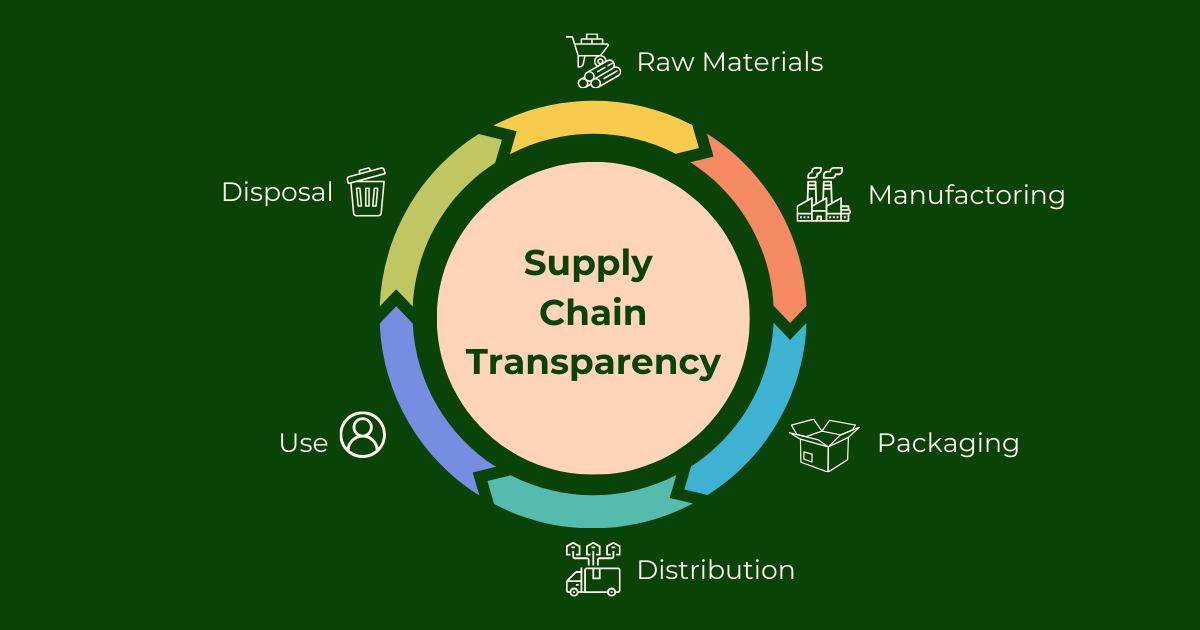
By 2026, the primary transition involves moving toward cleaner, more transparent supply chains. Businesses are restructuring how they source materials, manage production, and handle waste. Many are adopting circular systems where products can be reused, repaired, or recycled rather than sent to landfills. Technology such as blockchain helps track every step of the supply chain, providing companies and customers with transparent details regarding the origin of materials. This builds trust and ensures that businesses meet global environmental standards.
Shifting to Clean Energy and Green Technology
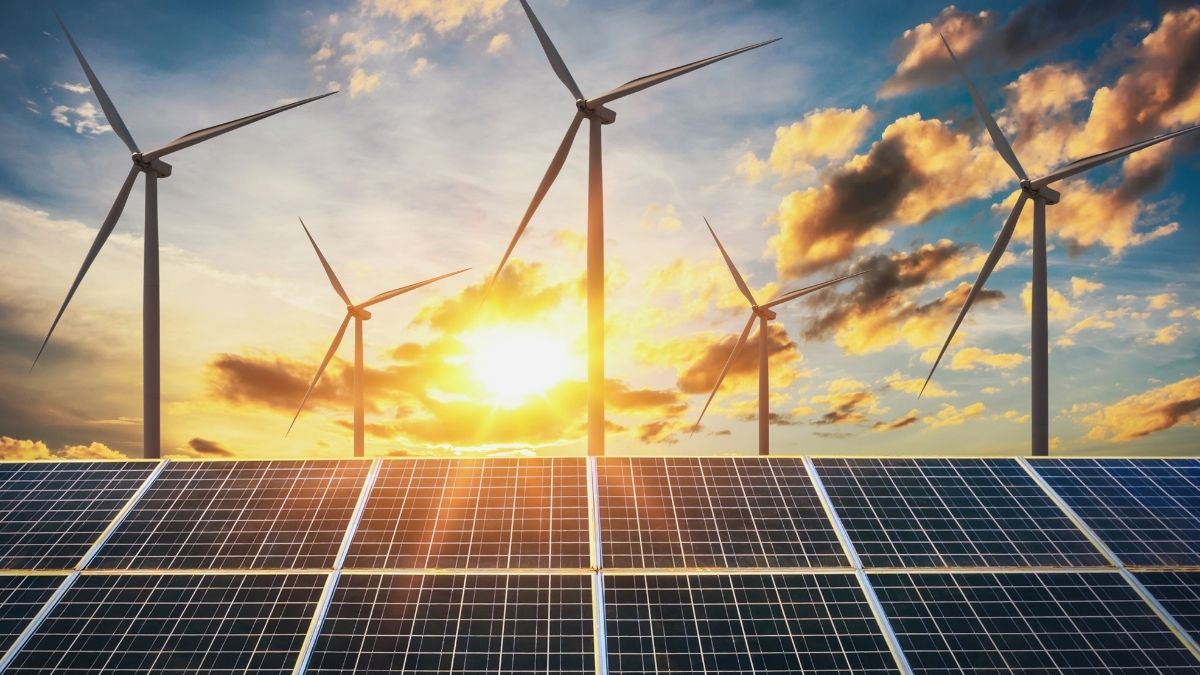
The adoption of clean energy is another dominant trend. Many companies are investing in solar panels, wind power, energy-efficient buildings, smart grids, and carbon-reduction technologies. These upgrades are not only beneficial for the planet; they often result in long-term cost savings. By reducing energy waste and lowering emissions, businesses become more efficient and more attractive to eco-conscious consumers.
Circular Economy Takes Center Stage
In 2026, the circular economy has become the backbone of sustainable business. Rather than developing products based on the traditional “use and throw away” model, companies are designing products to last, be repaired, or be manufactured with materials that can be reused. Sectors such as clothing, electronics, and home appliances are leading these initiatives through recycling programs, trade-ins, and repair services. This not only minimizes waste but also provides companies with new revenue streams through refurbished or upgraded products.
Innovation Driven by Sustainability
Sustainability is pushing businesses to be more creative than ever. In 2026, the market is witnessing the launch of biodegradable packaging, new eco-friendly materials, and AI-powered tools that track environmental impacts in real time. These innovations help brands stand out while meeting customer expectations for cleaner, more responsible products.
ESG Becomes a Key Factor for Investors
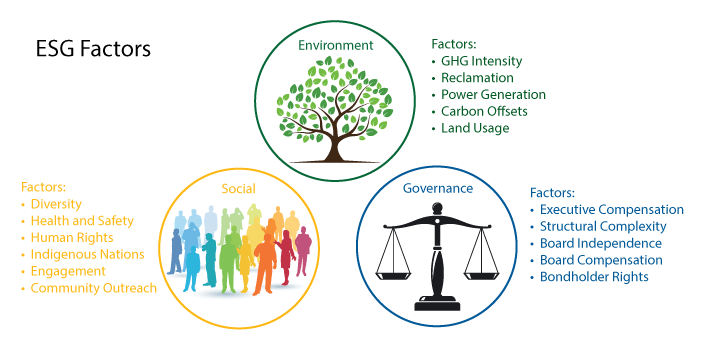
Investors are increasingly focusing on how companies perform regarding Environmental, Social, and Governance (ESG) issues. ESG consciousness—manifested through responsible sourcing, fair labor practices, and honest reporting—is essential for attracting investment and securing long-term support. As a result, businesses are becoming more transparent and committed to sustainable operations.